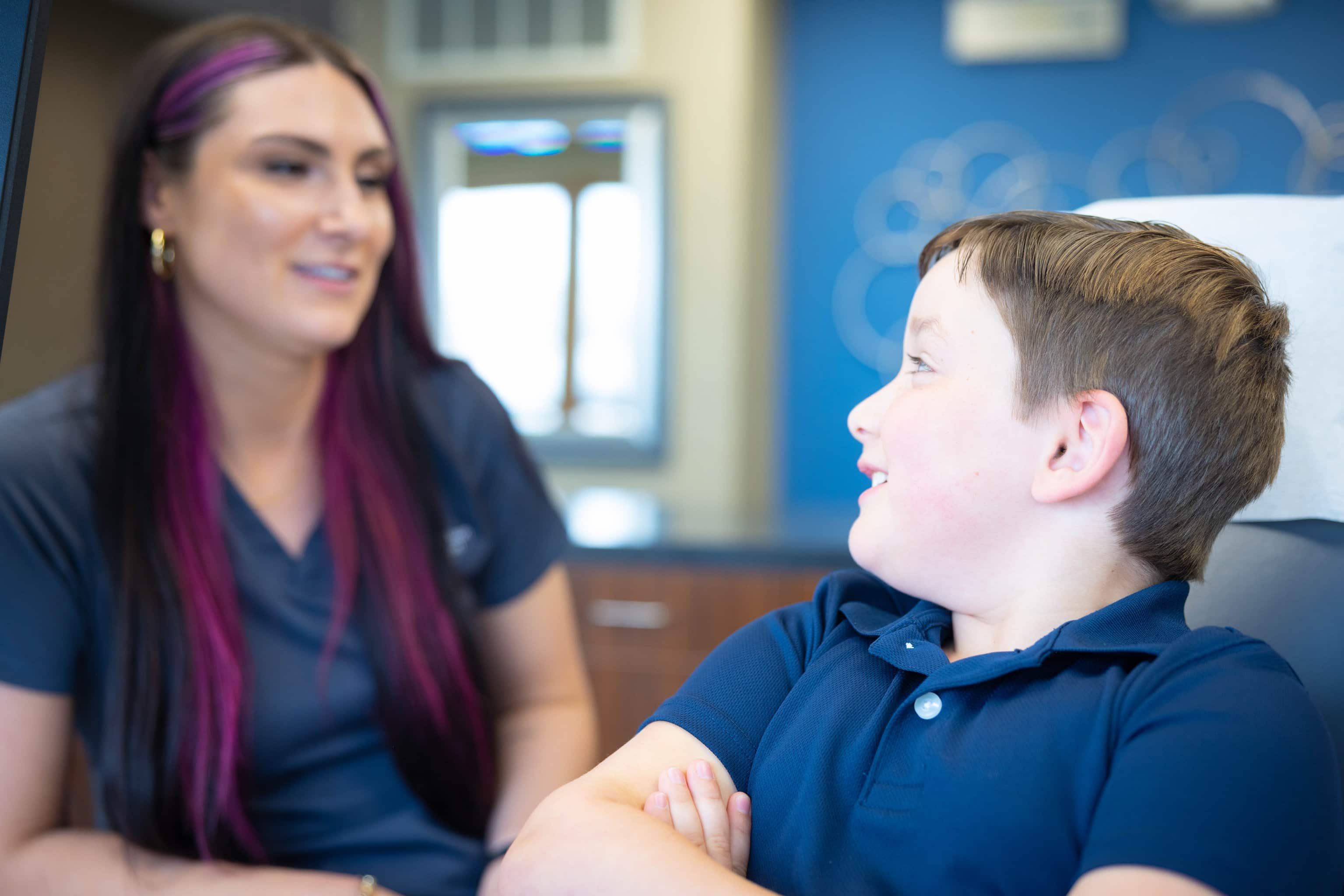
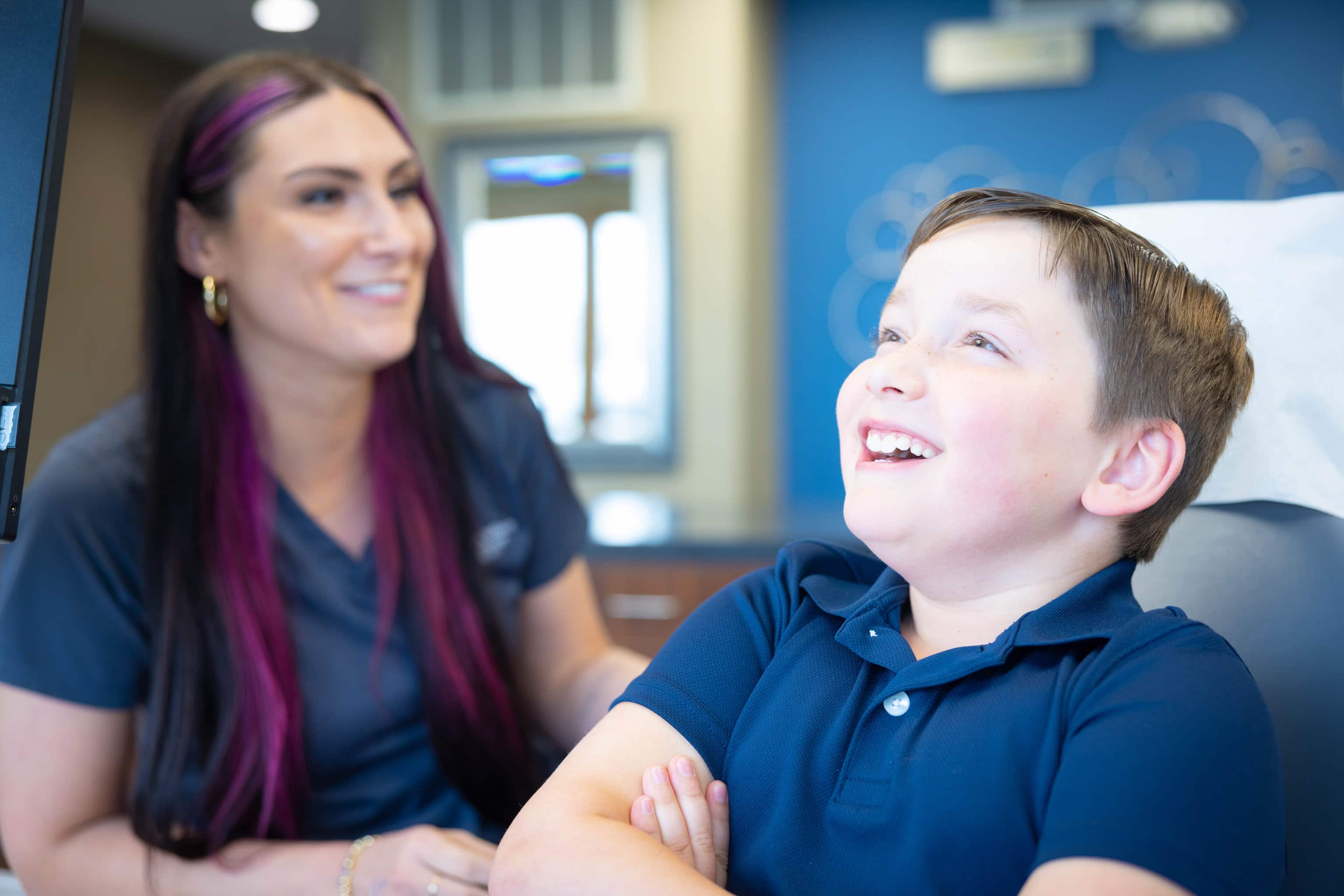
Kansas winters mean heavy coats, chapped lips, and cold air that sneaks right into your smile. If you wear braces, your mouth may feel a little different this time of year. The good news is that there’s no special winter condition for braces, and a few easy habits can keep you comfortable until spring. Here’s why winter can change how braces feel, what helps with dry lips, sore spots, and cold-sensitive teeth, and when to call us.
Why Braces Can Feel Different in Winter
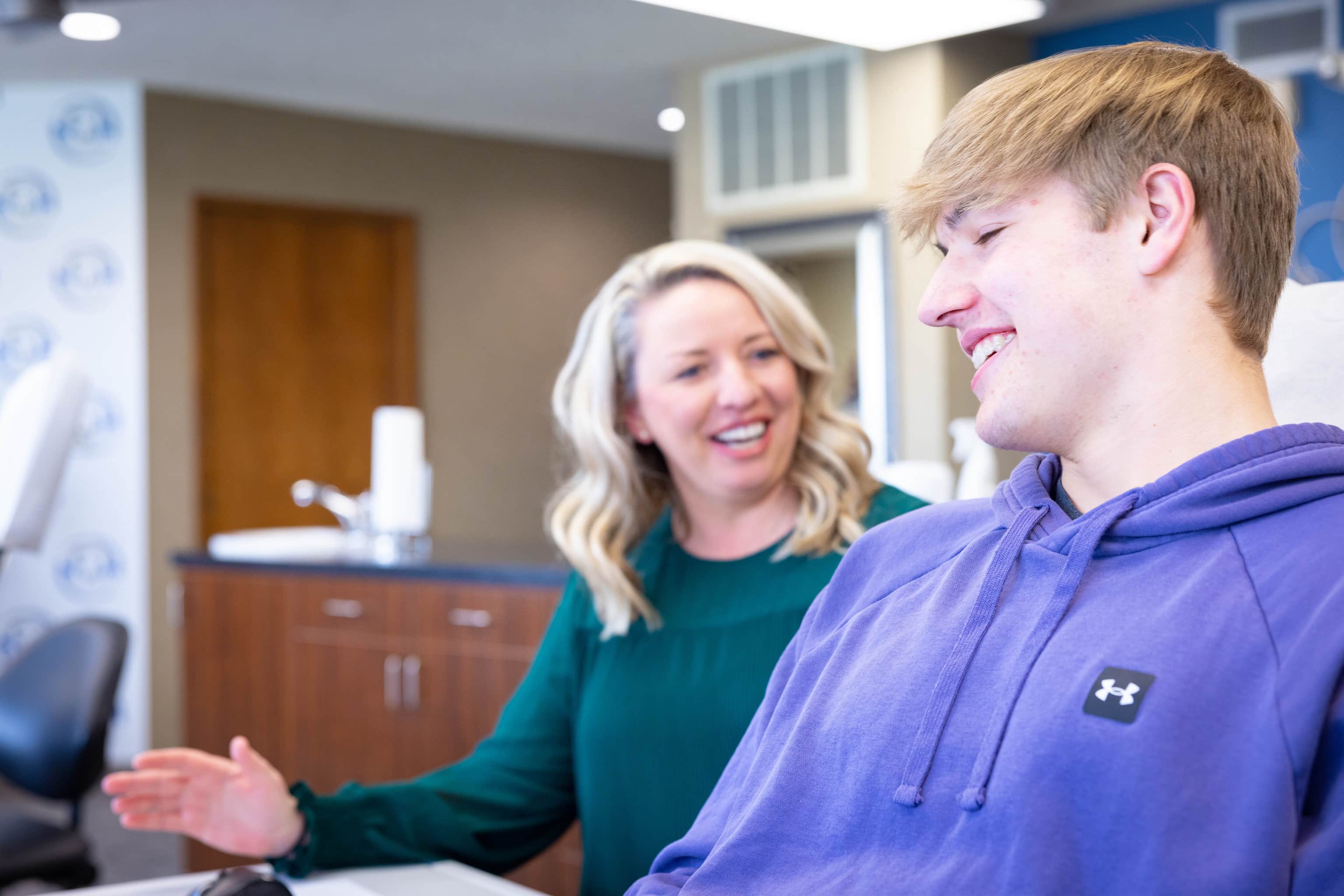
No winter condition affects braces. But cold, dry air can chap your lips, dry out your mouth, and make your teeth feel more sensitive when you breathe in through your mouth outdoors. Anyone can notice these things. Braces wearers may notice them more because they’re already getting used to metal braces or clear ceramic braces.
Timing can also play tricks on you. Soreness after an adjustment is common, and the American Association of Orthodontists (AAO) says it usually fades within a few days, strongest in the first 24 to 48 hours. If your adjustment lands during a cold snap, it can feel like the weather is the cause. It’s also normal to feel a bit more aware of your braces when everything else in your mouth feels dry or tight.
Winter Braces Irritation From Dry Lips and Sore Spots
Dry lips don’t feel good, and dry lips rubbing against brackets feel even worse. The American Academy of Dermatology (AAD) suggests a thick, fragrance-free ointment, such as white petroleum jelly, applied several times a day and at bedtime. Skip balms with strong flavors like mint, citrus, or cinnamon, which can irritate chapped lips, and stop using any product that stings. Try not to lick your lips either. It may feel like it helps, but it leaves them drier.
Most chapped lips improve within two to three weeks of good care, according to the AAD. If yours haven’t, check with your doctor or a dermatologist, since other things can cause dry lips.
If a bracket is rubbing the inside of your lip or cheek, press a small piece of orthodontic wax over it to make a smooth barrier. The AAO also suggests a warm salt water rinse: dissolve a teaspoon of salt in a glass of warm water, swish for about 30 seconds, and spit. If a sore spot hangs around, see our page on emergency orthodontics or call us.
Cold Weather Sensitivity and Braces Comfort Tips
If your teeth feel sensitive when you step outside, a few simple changes may help:
- Cover up. Breathe through your nose when you can, or pull a scarf over your mouth, so less cold air hits your teeth.
- Try a sensitivity toothpaste. The American Dental Association says desensitizing toothpaste helps block sensation from the tooth surface to the nerve, and it usually takes several uses before you notice a difference. Ask your dentist or us which one to use.
- Sip warm, not ice-cold. If cold drinks bother you, choose warm ones when you can.
If sensitivity lasts more than a few weeks, or you have pain when you chew, call us. It may not be about your braces at all, so it’s also worth asking your dentist to take a look.
Winter Braces Care to Keep Your Routine Going
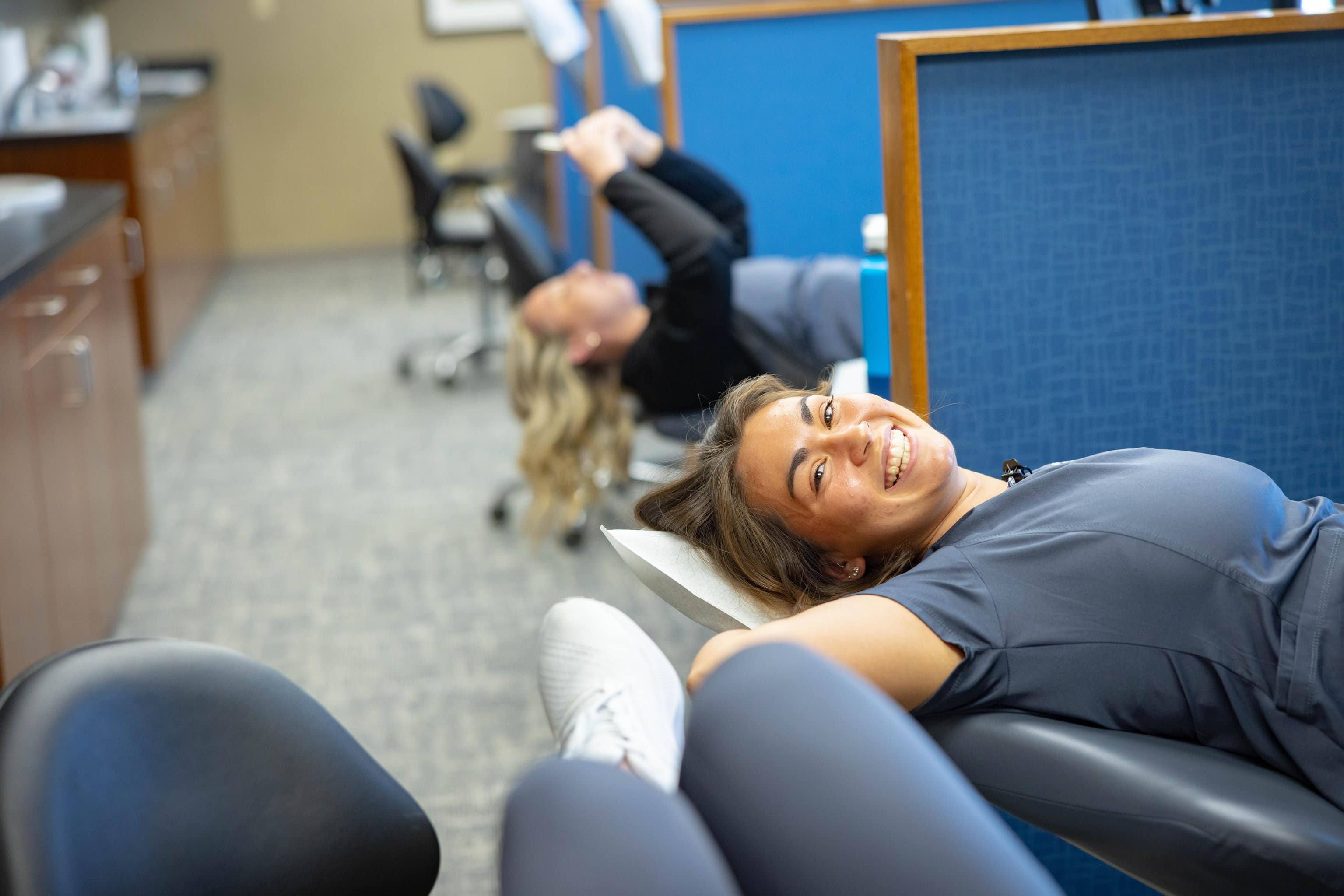
Cold season and busy holidays can knock your routine off track. Keep brushing and flossing, even when you’re sick or short on time. Braces make it harder to clean your teeth, and that’s true for braces and Invisalign alike. Take a little extra time around your brackets and along the gumline so food and plaque don’t get left behind.
Hot cocoa and flavored coffee drinks are cozy, but sugar feeds the bacteria that cause cavities. If you have one, rinse with water afterward and brush when you can. And go easy on candy canes and other hard or sticky treats, which can break brackets.
Keep your dental checkups during treatment, too. Keep your orthodontic appointments, and call us if the weather means you can’t make it. Whether you’re out looking at holiday lights or bundled up at home, small habits add up.
When to Call Your Orthodontist
Most winter discomfort is minor, but call us if:
- Soreness lasts more than a few days after an adjustment, or the pain is severe
- A wire is poking you
- A bracket has come off, or a wire has broken
- Anything worries you
You don’t need to wait for your next visit, and you don’t need to be sure it’s an emergency before you call. The AAO says it’s best to reach out right away when a bracket or wire breaks, since broken parts can slow down treatment. Our emergency orthodontics page explains what to do, and the good news is that our team can handle most problems with a simple phone call. Call us at (785) 272-3722.


FAQs About Winter and Braces
Why do my braces hurt more in winter?
They may not. Soreness after an adjustment can overlap with dry lips and cold air, so it’s easy to blame the weather. If the pain lasts more than a few days, call us.
Can cold weather damage braces?
There’s no evidence that cold weather damages braces. Call us if a bracket or wire feels loose, though, since that needs a quick fix.
Is it OK to use lip balm with braces?
Yes. Choose a fragrance-free ointment or balm, skip strong mint and citrus flavors, and stop using anything that stings.
More questions? See our orthodontic FAQ.
Winter Braces Care in Topeka, KS
Winter is a good time to take care of your smile, and our team is here for the small stuff, too, whether it’s a dry lip, a sore spot, or a question you’re not sure is worth asking. If something feels off, call us or request an appointment at our Topeka, KS office. You can also tour our offices before your visit. Stay cozy!